Dignity in Death: The Urgent Need to Overhaul Our Cremation Infrastructure
Recently, I had to bid a final farewell to my uncle in Lucknow. Wanting to choose a sustainable path, we opted for an electric crematorium, only to find it out of order. Left with no choice, we had to resort to the traditional wood pyre method.
It was heartbreaking to go through personal grief while simultaneously facing institutional apathy and infrastructure failure. The frustration of navigating an unworkable electric crematorium, dealing with exorbitant fees during a time of mourning, and watching the surrounding grounds turn into a litter-strewn mess while wrestling with massive resource consumption is a heavy burden for any grieving family to bear. This experience left me deeply unsettled and forced me to look closely at a reality we desperately need to fix.
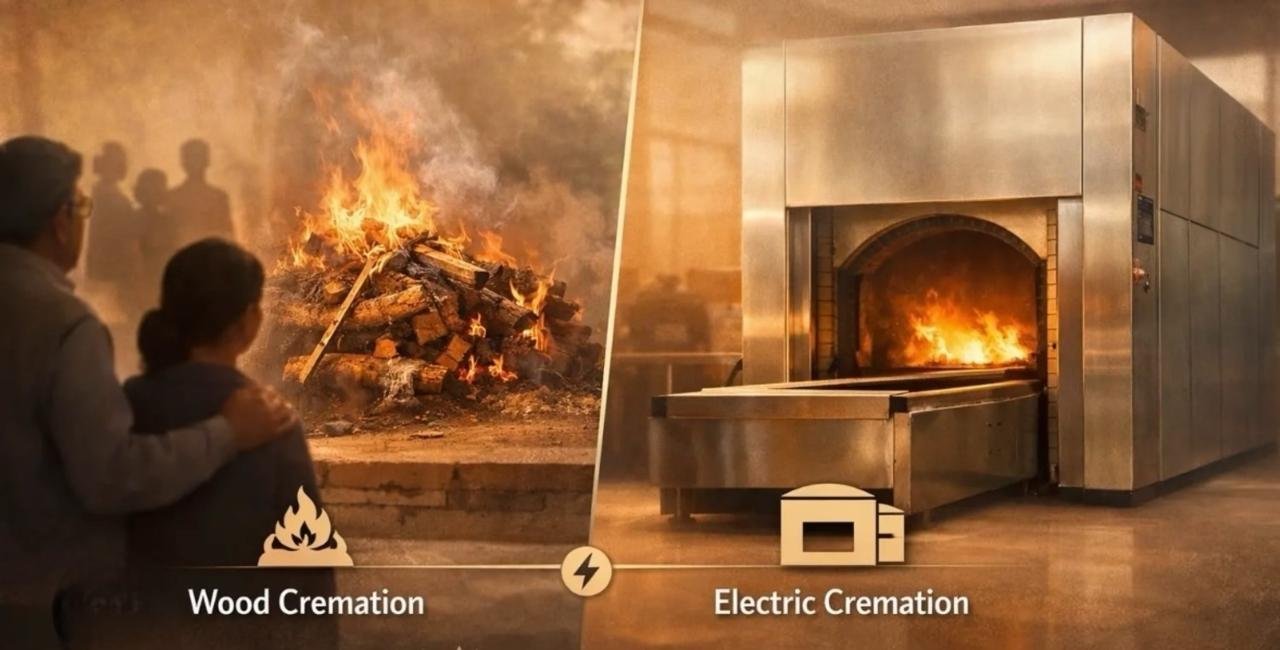
At a time when our country’s air pollution levels are already dangerously high, traditional cremations consume enormous amounts of wood, ghee, and other resources per body. Given our population and the sheer number of daily cremations nationwide, the ecological footprint is staggering and unsustainable.
Electric and PNG crematoriums should be a reliable, eco-friendly standard across every city. However, when they break down, families are left completely helpless—especially during monsoons when wet wood refuses to burn easily, compounding emotional grief with logistical nightmares. Death is a daily, ongoing reality, and no one is immortal. Given that final rites happen around the clock, why can the administration not employ dedicated technical personnel 24/7 to immediately spot, troubleshoot, and fix such failures?
Compounding this infrastructure crisis is the commercialization of grief. Instead of receiving institutional support, grieving families are frequently exploited by intermediaries charging arbitrary, exorbitant amounts for basic rituals. Aapda mein avsar (exploiting crisis for profit) at a funeral ground crosses every line of human decency.
Added to this is a glaring crisis of civic sense. It is tragic to witness how we treat these sacred spaces. People attending cremations carelessly discard plastic bottles and disposable items everywhere, leaving grounds unhygienic and entirely disrespectful to the departed.
Addressing this multifaceted crisis requires decisive action on multiple fronts:
What Can Be Done at the Personal Level
Choose Sustainable Alternatives Proactively: Whenever available, opt for electric or PNG crematoriums, or advocate for advanced eco-friendly pyres that significantly reduce wood and resource consumption.
Practice Strict Civic Sense: Treat funeral grounds and crematoriums with reverence. Avoid carrying single-use plastics, never litter water bottles or disposable ritual items, and actively clean up after your gathering.
Normalize Green Conversations: Break the cultural taboo around discussing death and funeral planning. Talk within families about choosing sustainable final rites to spare loved ones from last-minute logistical confusion.
Support Community Cleanliness: Participate in or initiate local drives to keep public cremation grounds clean, organized, and respectful.
What Can Be Done at the Government Level
Ensure 24/7 Infrastructure Maintenance: Municipal bodies must employ dedicated technical personnel on round-the-clock shifts at every electric and PNG crematorium to instantly troubleshoot and repair breakdowns, preventing sudden shutdowns.
Expand Eco-Friendly Infrastructure: Build a robust, high-capacity network of electric and gas crematoriums across all urban and semi-urban zones to handle high volumes without forcing citizens back to wood pyres.
Regulate Pricing and Stop Exploitation: Implement strict, transparent, and publicly displayed rate cards for all services and materials at funeral grounds to protect vulnerable, grieving families from predatory intermediaries and exorbitant fees.
Mandate Strict Waste Management: Deploy dedicated municipal sanitation teams and install proper recycling and disposal infrastructure directly at cremation grounds to maintain hygiene and dignity.
We cannot talk meaningfully about curbing pollution or promoting sustainability while ignoring the systemic waste inherent in our public facilities. Mindsets are shifting—citizens increasingly want greener, more efficient alternatives—but the government must step up with robust, functional infrastructure. It is time to bring dignity, sustainability, and basic civic sense back to how we say our final goodbyes.
Author
About The Author